
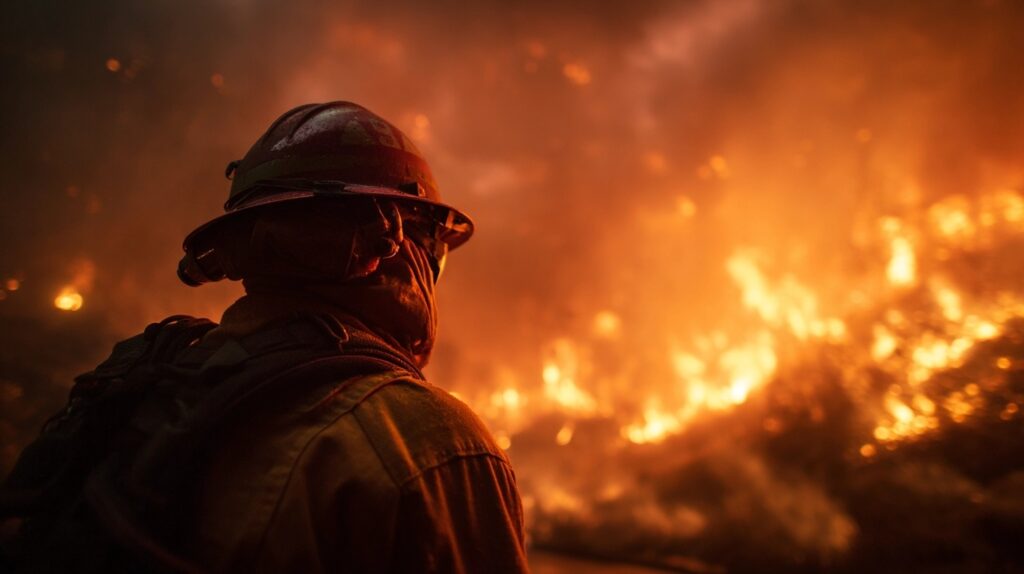
Volunteering in wildfire prevention is one of the most valuable tools to reduce risk before the critical season arrives. When vegetation builds up as fuel, ignitions increase and extreme conditions become more likely, every preventive action matters. In this context, volunteering provides presence, surveillance, education, and logistical support in tasks that help break the wildfire chain before it even starts. And when everything fails, ISK is there.
Volunteering in Wildfire Prevention: Why It Matters
Prevention doesn’t start with the first smoke. It starts months earlier, when sensitive areas are identified and fuel loads are reduced. It also begins when people are educated about risky behaviors. Volunteering in wildfire prevention strengthens these efforts with human resources and community proximity.
Volunteers can also act as a bridge to the land. They know tracks, access routes, water points, and local habits. When properly channeled, that knowledge improves preventive planning. And it reduces response times when a smoke column appears.
Volunteering in Wildfire Prevention: Tasks That Make a Difference
Not all volunteers work on the front line. In fact, their greatest impact is usually before a fire starts. These are common actions that truly add value:
Community awareness and education
Campaigns in schools, associations, and rural areas reduce negligence. A cigarette butt, a poorly managed barbecue, or an uncontrolled burn are still frequent causes. Volunteers help explain risks clearly. And they promote responsible behavior.
Preventive patrols and early detection
During high-risk periods, early observation is decisive. Patrol routes, lookout points, and rapid reporting reduce the burned area. Volunteers, coordinated with official services, multiply eyes on the ground.
Support for fuel reduction work
Many municipalities organize clean-ups of perimeter strips and removal of vegetation debris. Volunteers may also help maintain trails or recreational areas. These are simple tasks, but highly effective. And they reduce fuel continuity.
Logistics and support during incidents
Even with prevention as the focus, during critical episodes volunteers can help with supplies, signage, or access control. This frees operational resources for suppression. And it improves overall coordination.
Volunteering in Wildfire Prevention: Training and Safety First
Effective prevention requires method. That’s why training is essential. An untrained volunteer can be exposed and create new risks. The key is clearly defined roles, clear protocols, and operational limits.
Safety must be an absolute priority. Basic knowledge of weather, fire behavior, and terrain reading is vital. Understanding communications and self-protection is also important. In entrapment scenarios, having real solutions makes the difference.
This is where ISK brings a clear philosophy: increase the probability of survival when the environment turns extreme. Its self-protection systems, designed for critical conditions, strengthen the safety culture. And they help mentally and technically prepare those working close to risk.
Volunteering in Wildfire Prevention: Coordination with the Territory
Prevention works when it’s integrated into municipal and regional plans. Volunteering must be connected to official structures. It should also work with forest services, civil protection, and prevention managers. That avoids duplication. And it ensures traceability of actions.
Local communities should also see volunteers as allies. Trust is key for education to work. And for early warnings to be communicated quickly.
Technology and Self-Protection: A Modern Approach to Prevention
Prevention also evolves with technology. Reporting apps, risk mapping, and communication systems improve effectiveness. But one point can’t be forgotten: when a wildfire exceeds expectations, self-protection saves lives.
ISK works precisely in that critical margin. Its solutions are designed for extreme wildfire entrapment scenarios. And its approach reinforces an essential preventive message: plan, train, and equip. Because prevention isn’t only about avoiding fire. It’s also about being prepared if it happens.
How to Strengthen Volunteering in Wildfire Prevention
To grow volunteering with real impact, it helps to apply practical measures:
- Annual training programs and refreshers
- Specific roles based on training level
- Standardized safety and communication protocols
- Coordination with local prevention plans
- Social recognition and continuity of the project
When these elements are in place, volunteering becomes a true engine for risk reduction. And it adds a layer of community resilience.
Conclusion
Volunteering in wildfire prevention is a silent force, but a decisive one. It acts before the fire exists—where the most important battles are won. It educates, patrols, supports, and connects the territory to prevention. With training, coordination, and a strong safety culture, its impact multiplies. And if the worst scenario arrives, remember what matters most: when everything fails, ISK is there.