
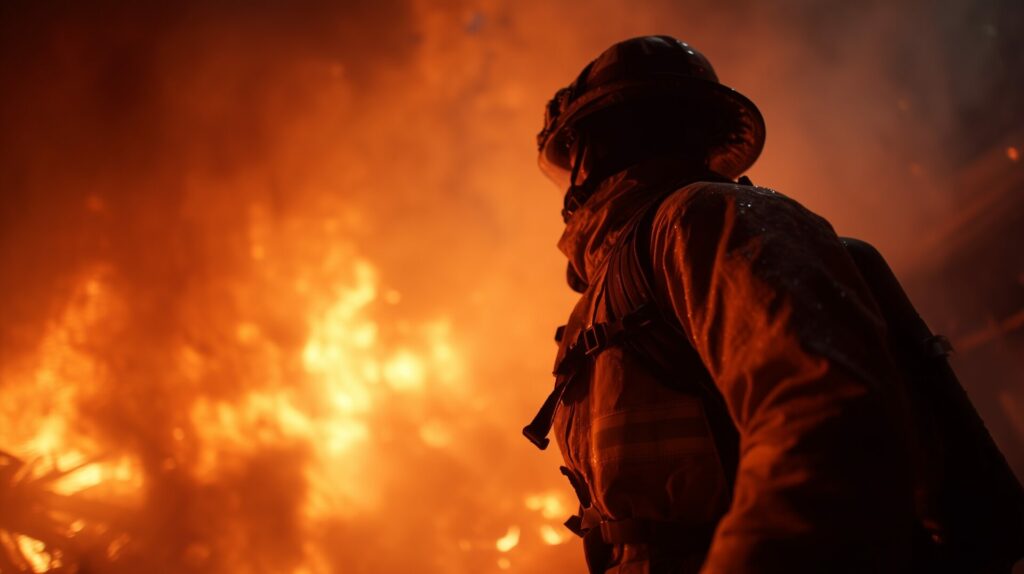
Fire has been a useful tool in rural environments for centuries: to remove vegetation debris, clear field edges, or manage grazing areas. But today, with longer summers and more frequent episodes of wind and drought, an improper use can turn into a wildland fire within minutes. That’s why talking about the responsible use of fire in rural areas isn’t just a recommendation: it’s a basic prevention measure.
Below is a practical guide with rules and best practices to reduce risk and act with good judgment.
Regulations and permits before lighting a fire
Before any burning activity (agricultural burns, pruning waste, or shrubland), check the regulations in your autonomous community and local council. In many areas there are prohibition periods, requirements for prior notification, or the need for explicit authorization. There may also be restrictions due to the daily risk level, weather warnings, or the operational status of the wildfire response system.
Key best practices:
- Apply for permits in advance and keep proof of approval.
- Confirm whether burning is allowed on that day and at that time.
- Don’t “interpret” the rules—if in doubt, don’t light it.
Responsible use of fire in rural areas: choosing the right day
Most problems are avoided by making the right decision beforehand. For the responsible use of fire in rural areas, choose days with moderate humidity, mild temperatures, and little to no wind. Wind can change quickly and carry embers dozens of meters.
Weather checklist:
- Low steady wind and no gusts.
- No forecast of dry thunderstorms.
- Ground not excessively dry.
- If there is an official warning, cancel.
Perimeter preparation and fuel control
Never light a fire without preparing the surroundings. The goal is to ensure the fire cannot spread continuously into dry vegetation, hedges, stubble, or nearby pine stands.
Recommended measures:
- Create a clean perimeter strip down to mineral soil.
- Remove dry leaves, fine branches, and light fuels around the area.
- Burn small amounts in batches, with compact piles.
- Keep distance from power lines, roads, and buildings.
Responsible use of fire in rural areas: equipment, supervision, and suppression
A common mistake is thinking “a bucket is enough.” For the responsible use of fire in rural areas, you need real control and extinguishing capacity.
Minimum equipment:
- Sufficient water (hose, tank, or backpack sprayer).
- Hand tools (hoe, shovel, and if applicable, a flapper).
- Phone with coverage and a clear location reference.
- Never do it alone: at least two people.
During the burn:
- Continuously monitor the perimeter.
- Don’t leave the fire “for a moment.”
- If wind increases or conditions change: put it out and cancel.
Final extinguishing: the critical step people forget
Most flare-ups happen when it already “looks out.” You must extinguish, stir, and cool until all internal embers are gone. If hot spots remain, a gust of air can reignite the pile hours later.
Closing steps:
- Extinguish with water or mineral soil.
- Stir the material until there’s no smoke or heat.
- Check edges and hot spots.
- Recheck at least 30–60 minutes later.
Safer alternatives and preventive habits
Whenever possible, prioritize alternatives: shredding residues, composting, taking them to an authorized facility, or targeted grazing. Also, keeping properties clean, access routes clear, and fuel breaks maintained supports wildfire prevention throughout the season.
Fire can be useful, but only when used with planning, the right equipment, and respect for the rules. In rural areas, prevention doesn’t start when it burns—it starts when you decide whether today is the day… or not.