
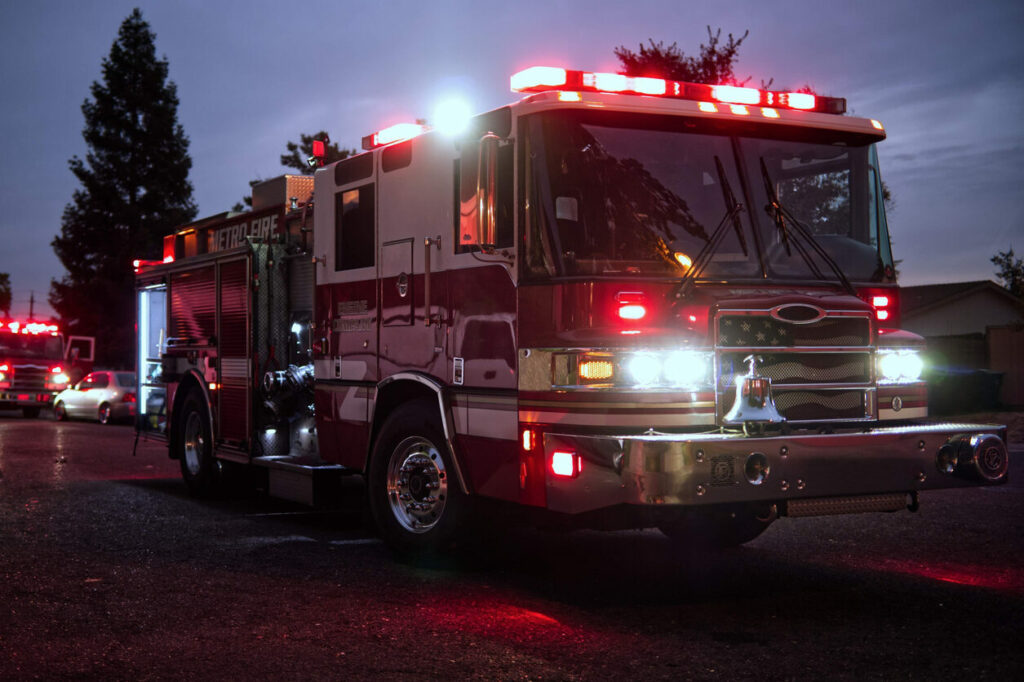
The origin of sirens and emergency lights is deeply linked to the evolution of safety in wildland firefighting operations. Although today they are a familiar sound and visual signal during any deployment, their history is more complex and revealing than it seems. Their development responds to a critical need: to warn, guide, and protect in situations where every second counts.
The origin of sirens and emergency lights in the wildland context
The first sirens appeared as manual devices during World War I. Based on pressurized air mechanisms, they produced a penetrating, continuous sound capable of traveling long distances. Over time, this system was adopted by emergency services, including teams dedicated to fighting fires in natural areas. The need was clear: to alert quickly and without interference across vast, mountainous, or densely vegetated terrain.
In the case of emergency lights, their evolution followed a parallel path. The introduction of the rotating beacon in the 1940s allowed vehicles to stand out visually in low-visibility conditions. For wildland firefighters, this represented a crucial advance: navigating narrow trails, forest roads, and constantly changing environments required clear and highly visible signals from any angle.
How the origin of sirens transformed wildland operations
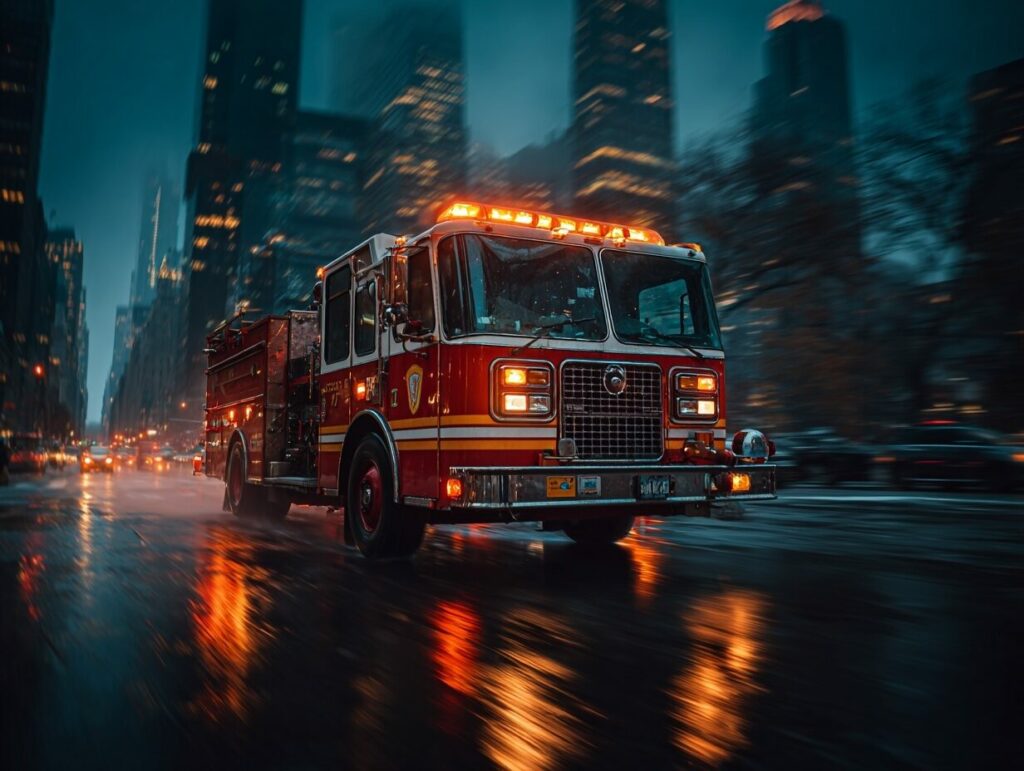
Modern electromechanical sirens emerged after the 1960s, offering variable tones and greater acoustic power. This advancement coincided with a period in which wildfires intensified due to climate factors and the accumulation of vegetation fuels.
For wildland crews, this made powerful acoustic signals essential—capable of cutting through wind, terrain noise, and the roar of fire. Sirens evolved from being simple warning devices to becoming tactical tools. Today, they not only alert civilians or other vehicles but also help coordinate convoys, warn of maneuvers, and increase the overall safety of deployed units.
Emergency lights: evolution and standardization in forest environments
Emergency lights evolved from simple rotating lamps to high-efficiency LED systems. In wildfires, where visibility is often compromised by smoke, dust, and adverse conditions, the need for bright, low-consumption lighting became a priority.
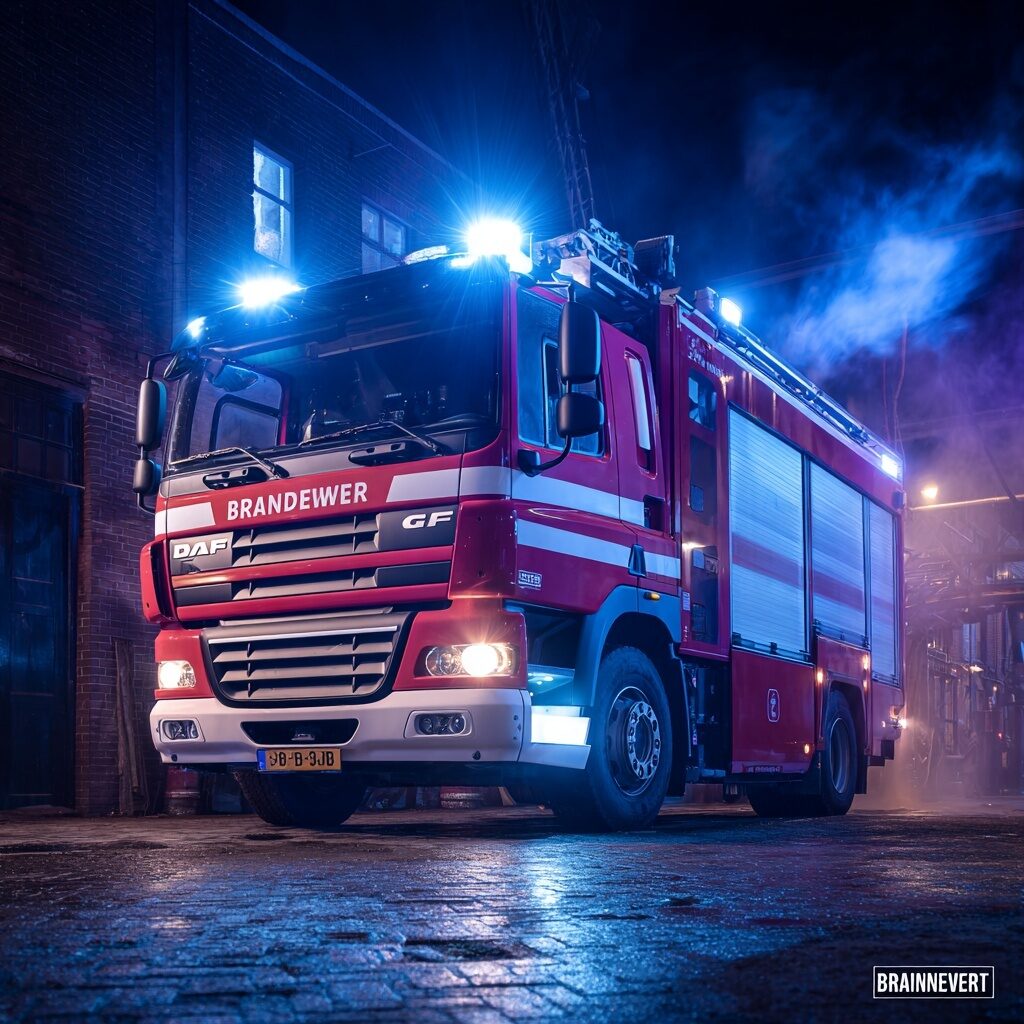
Blue lighting became standard in many regions for emergency vehicles, as it stands out clearly in forest environments. The arrival of LED technology also reduced electrical consumption and increased durability—crucial for vehicles that operate for long hours far from logistical bases.
Sirens, emergency lights, and self-protection: A complete safety system
The evolution of these elements cannot be understood without acknowledging the growing importance of self-protection in wildfire scenarios. Today they are part of a broader safety ecosystem, where tools such as ISK’s self-protection systems —the FS1 nozzle, the FS2 collective shelter, or the FS5 thermal curtains— increase survival capacity in entrapment situations.
While sirens warn and lights guide, self-protection systems create safe zones that improve the probability of survival. This combination is the result of decades of learning and adaptation in response to increasingly extreme fire behavior.
Constant evolution to protect lives
The origin of sirens and emergency lights reveals how technology and field experience have come together to enhance the safety of wildland firefighters. Although their presence is routine, their importance is vital. And as wildfires evolve, these systems will continue to advance, always sharing the same purpose: protecting and saving lives when everything else fails.